

Ways to Protect Our Environment in Everyday Life

Written by: Asha Gavaghan ('28) & Lianna Bakaradze-Marin ('28)
Have you found New Jersey’s recent weather patterns bizarre? If you said yes, then you wouldn’t be the only one. However, there is more to these weather patterns compared to what we often see in our day to day lives, and it’s necessary we take precautions to prevent our environmental conditions from worsening.
The reason why we are experiencing these shifts is as a result of climate change, which consists of long-term shifts in temperatures and weather patterns. Climate change has been a growing issue since the 1800s due to human activity, such as the burning of fossil fuels. If this change continues without being addressed, unpredictable weather patterns will not be the only conflict to come. While the ways we as a society can prevent its growth are limited, there are still small actions we can take in order to protect our earth!
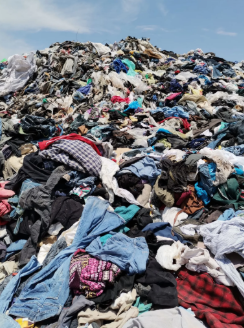
Buying Second Hand
Every year, the fashion industry contributes to 10% of global carbon emissions, making it the second largest industrial polluter as explained by The Carbon Literacy Project. Furthermore, it’s estimated that there are already enough clothes on earth to clothe the next 6 generations. Despite this, the fashion industry continues to push us into consuming the newest trends, and feed us the idea that this cycle will bring us true happiness. Combating this cycle by buying second hand reduces production demands, and prevents even more clothes from ending up in our environment. Photo Citation → (Vogue, Desierto Vestido)
Keep Reusable/Wooden Items
Unnecessary plastics found in everyday households are the silent killer of your health and the environment as a whole. Although microplastics aren’t directly linked to cancer, research has proven that they have the potential to affect gut health, cause inflammation in the body, and even damage the lining of your organs, according to the American Cancer Society. Not to mention, plastic takes about 20-500 years to decompose, and will never fully disappear into the Earth. Instead of using plastic cutting boards and kitchen utensils, opt for wooden ones. Even when buying groceries or packaging your food, be sure to look for paper cartons and beeswax packaging. Using glass containers for storing food is also a very effective switch, but it can also be used to store things like your skincare products, soap, etc. So, swap out those everyday plastic items for reusable and wooden substitutes! Photo Citation → (Encounter Edu)

If Possible, Use Public Transport
Public transportation has been found to decrease carbon dioxide emissions by anywhere between 30% to 45%, and contributes to 15% of global greenhouse emissions. Similarly, by removing large amounts of cars, congestion is decreased meaning prioritizing public transportation can aid in keeping our air clean. As described by the UN, shifting focus towards public transportation will be “essential” in combating climate change. For Lawrenceville, nearby train stations are able to take us considerably far. Next time you are traveling to Princeton, New York City, or even across the East Coast, check to see if a train can take you!
Photo Citation → (Statista)

Support Local Nature Preserves and Parks
New Jersey is home to 49 State Parks and many nature preserves, all of which contribute to keeping our local environments stable by filtering our air and water, and by preserving biodiversity. They keep nature accessible and are absolutely essential in slowing climate change. You can support nature preserves and state parks by volunteering for local cleanups or events, donating funds and resources, planting natural wildflowers and plants, and by simply visiting.

Boycott Animal Testing and Endangerment
In this day and age where most companies around us use cruel ways to produce our everyday products, it’s important to prioritize supporting the companies that put animals and morals first. If you aren’t familiar with what animal testing is, animal testing happens when different procedures or modifications are made to living animals (such as mice, rats, dogs, and rabbits) in order to test the safety and impact of certain products. There are many cruel and unusual ways that these animals are treated under animal testing, so if you’re interested in keeping your products cruelty-free, check out this link to see which companies test on animals: →https://www.crueltyfreekitty.com/companies-that-test-on-animals/

Photo Citation → (National Anti-Vivisection Society)
Make Use of Your Food Scraps
Oftentimes, we find ourselves wasting more food than we should every time we cook and eat. However, there’s an effective way to turn your leftover fruits, veggies, and even paper, into a fertilizer haven for your plants and soil! In order to keep organic waste out of landfills, keep your plants healthy, and even through conserving water and reducing greenhouse gases, composting is the way to go. Some other creative ways to utilize your scraps and food waste is through making veggie or bone broths out of them, blending them into sauces, or using their seeds to regrow that fruit or vegetable in your own garden. Do yourself (and your plants) a favor and have fun with composting!
Photo Citation →( The Tree Center)

So, whether you’re looking for specific ways to be sustainable in your everyday life, or just curious and interested in protecting the environment, we hope that you keep the Earth in mind with your everyday purchases and decisions in life!


Comments